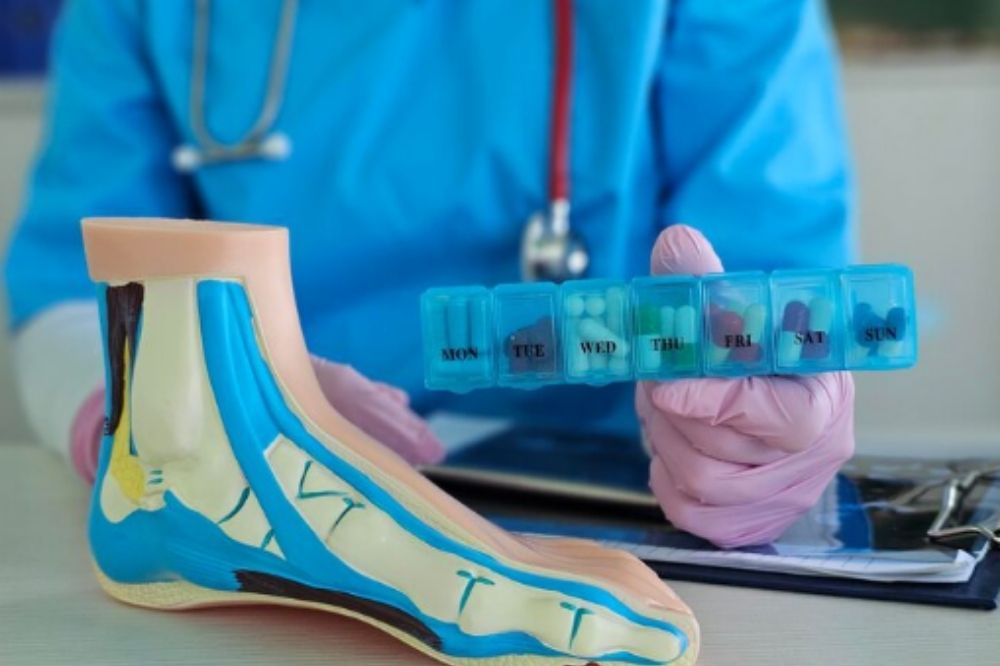

Diabetes can affect many parts of the body, but your feet are especially vulnerable. High blood sugar levels can damage nerves and reduce blood flow, making it harder for your feet to heal and increasing the risk of infections. Understanding common diabetic foot conditions—and how to prevent them—can help you stay active and avoid serious complications.
Why Diabetic Foot Care Matters
People with diabetes often experience:
- Reduced sensation (neuropathy)
- Poor circulation
- Slow wound healing
These factors can turn even small foot issues into serious problems if not treated early.
Common Diabetic Foot Conditions
1. Diabetic Neuropathy
Nerve damage caused by prolonged high blood sugar levels.
Symptoms:
- Numbness or tingling
- Burning sensation
- Loss of feeling in feet
Risk: Injuries may go unnoticed, leading to infections.
2. Foot Ulcers
Open sores that develop due to pressure, injury, or poor circulation.
Common Areas:
- Bottom of the foot
- Heel
- Toes
Risk: Can lead to infection and, in severe cases, amputation.
3. Calluses and Corns
Thickened skin caused by pressure or friction.
Why it matters:
- Builds up faster in diabetic patients
- Can break down into ulcers if untreated
4. Athlete’s Foot
A fungal infection that thrives in warm, moist areas.
Symptoms:
- Itching
- Redness
- Cracking skin
Risk: Cracks can allow bacteria to enter and cause infections.
5. Ingrown Toenails
When the nail grows into the skin.
Symptoms:
- Pain and swelling
- Redness
- Possible infection
6. Poor Circulation (Peripheral Artery Disease)
Reduced blood flow to the feet.
Signs:
- Cold feet
- Slow healing wounds
- Skin discoloration
Quick Overview Table
| Condition | Key Symptoms | Main Risk |
|---|---|---|
| Neuropathy | Numbness, tingling | Undetected injuries |
| Foot Ulcers | Open sores | Infection, amputation |
| Calluses & Corns | Thickened skin | Ulcer formation |
| Athlete’s Foot | Itching, cracking | Bacterial infection |
| Ingrown Toenails | Pain, swelling | Infection |
| Poor Circulation | Cold feet, slow healing | Tissue damage |
How to Prevent Diabetic Foot Problems
Prevention is the most important part of diabetic foot care. Simple daily habits can make a big difference.
Daily Foot Care Routine
- Check your feet every day for cuts, redness, or swelling
- Wash your feet with lukewarm water and mild soap
- Dry thoroughly, especially between toes
- Apply moisturizer to prevent dry skin (avoid between toes)
Proper Footwear
- Wear comfortable, well-fitting shoes
- Avoid tight or narrow footwear
- Use diabetic socks for added protection
- Consider custom orthotics for better support
Nail and Skin Care
- Trim nails straight across
- Avoid cutting corns or calluses yourself
- Seek professional care for foot issues
Blood Sugar Control
- Maintain healthy glucose levels
- Follow your doctor’s recommended diet and medication plan
Regular Checkups
- Visit a podiatrist regularly
- Get professional foot exams
- Address minor issues before they worsen
Signs You Should Not Ignore
Seek medical care immediately if you notice:
- Open sores or wounds
- Swelling or redness
- Persistent pain
- Signs of infection (pus, warmth, odor)
Early treatment can prevent serious complications.
FAQs About Diabetic Foot Care
1. How often should I check my feet?
You should check your feet daily for any signs of injury or changes.
2. Can small cuts become serious?
Yes, even minor cuts can develop into infections if not treated promptly.
3. Are special shoes necessary for diabetics?
In many cases, yes. Proper footwear helps reduce pressure and prevent injuries.
4. When should I see a podiatrist?
You should see a podiatrist if you notice pain, wounds, or any unusual changes in your feet.
5. Can diabetic foot problems be prevented completely?
While not all issues can be avoided, proper care significantly reduces the risk.
Conclusion
Taking care of your feet is essential when you have diabetes. By understanding common diabetic foot conditions and following simple preventive steps, you can protect your health and maintain your mobility.
At Gulf Coast Podiatry, we provide expert care for diabetic foot conditions, from early prevention to advanced treatment. Our team is dedicated to helping you stay comfortable, active, and pain-free. Schedule your visit today and take the first step toward healthier feet.