
Foot Skin Condition Treatment in Pensacola, FL
Foot Skin Condition Treatment Near You
Your feet carry you through life, but they also face many problems. Foot skin conditions are common, and they can be painful, uncomfortable, and sometimes hard to treat at home. At Gulf Coast Podiatry, we provide professional foot skin condition treatment in Pensacola, FL, for all types of foot skin issues. Our goal is to help you get healthy feet, prevent future problems, and improve your daily comfort.
We treat children, adults, and seniors with the highest level of care. Our foot skin condition treatment near you is safe, effective, and customized for each patient.
Understanding Foot Skin Conditions
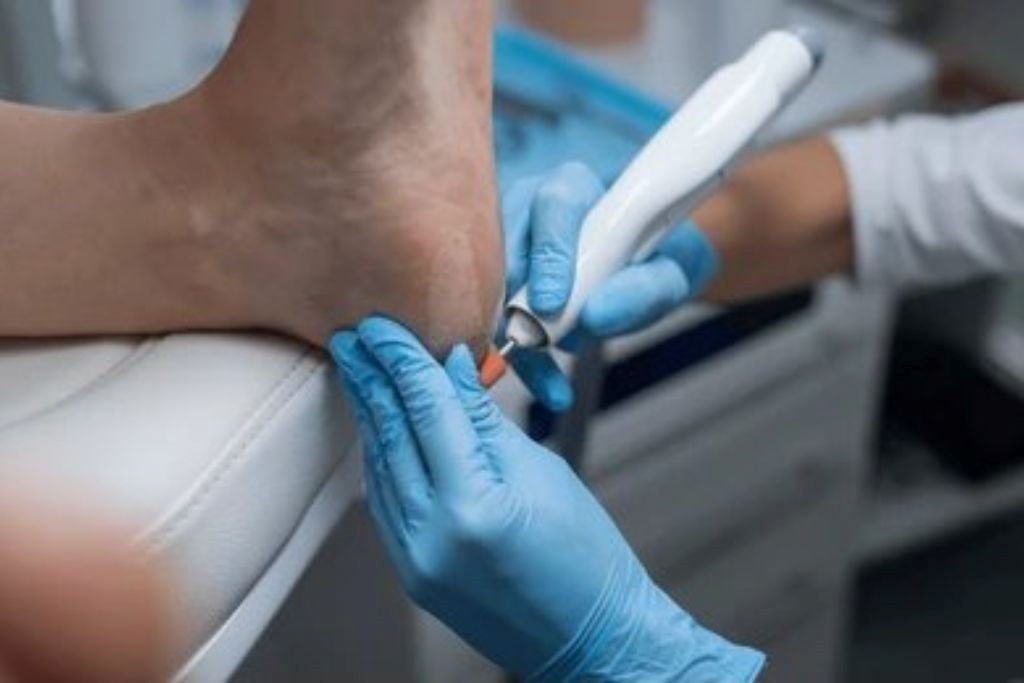
Foot skin conditions are common problems that affect the skin and nails of your feet. Infections, allergies, dry skin, or autoimmune issues can cause them. Common conditions include athlete’s foot, fungal nails, plantar warts, dermatitis, psoriasis, and heel fissures. Symptoms may include itching, redness, cracking, thickened nails, or pain. A proper diagnosis by a podiatrist is essential, as similar symptoms can have different causes. Early treatment and proper foot care, along with professional foot skin condition treatment in Pensacola, FL, help prevent complications and keep feet healthy.
What Causes Foot Skin Conditions?
Foot skin problems can happen for many reasons. Knowing the cause helps prevent the condition from coming back. Some common causes include:
Fungal infections
Fungi thrive in warm, damp environments, like sweaty socks or shoes. Athlete’s foot and fungal nails are common examples.
Excess moisture or dryness
Feet that are too wet or too dry can develop cracks, irritation, or infections.
Injury or pressure
Repeated pressure from shoes or walking can cause cracks, calluses, or heel fissures.
Allergic reactions
Certain soaps, creams, or fabrics can irritate the skin.
Underlying health conditions
Diabetes, psoriasis, or eczema can affect the skin of the feet.
Understanding why your foot skin is affected is the first step toward proper treatment.
How Do We Diagnose Foot Skin Conditions?
Accurate diagnosis is key to treating foot skin problems. Our podiatrists use careful examination and medical tests to find the root of your condition. Diagnosis may include:
Visual inspection
Checking for redness, swelling, cracks, scaling, or unusual growths.
Skin scraping or nail clipping
Testing for fungal or bacterial infections under a microscope.
Patient history
Discussing your lifestyle, symptoms, and any past foot problems.
Lab tests
Occasionally, we use lab tests to confirm infections or skin disorders.
A correct diagnosis ensures your treatment is safe and effective. If you are looking for professional foot skin condition treatment near you, our team is here to help.
Treatment Options for Foot Skin Conditions
Treatment depends on the type and severity of your condition. At Gulf Coast Podiatry, we provide both medical treatment and practical home care advice. Options include:
Topical medications
Creams, ointments, or antifungal solutions applied directly to the affected area.
Oral medications
Pills for more severe fungal infections or persistent conditions.
Debridement
Gentle removal of thickened or infected skin or nails.
Laser therapy
Used in some instances to treat stubborn fungal nails.
Lifestyle and foot care advice
Tips on hygiene, footwear, and moisturizing to prevent recurrence.
Our goal is not only to treat your condition but also to prevent it from coming back.
Our Foot Skin Condition Treatments
Here is a detailed look at each service we provide as part of our professional foot skin condition treatment in Pensacola, FL:

Athlete's Foot (Tinea Pedis)
Athlete’s foot is a fungal infection that causes redness, itching, and peeling, usually between the toes. It spreads easily in warm, damp environments like locker rooms, showers, and sweaty shoes. Symptoms may include:
- Itching and burning between toes
- Red, scaly, or cracked skin
- Blisters or sores in severe cases
Treatment usually includes antifungal creams or sprays, keeping your feet clean and dry, and sometimes taking oral medication. It is important to avoid walking barefoot in public areas and to change your socks every day to prevent the infection from coming back. With proper care, most cases get better in 2–4 weeks.
Fungal Nail Infections (Onychomycosis)
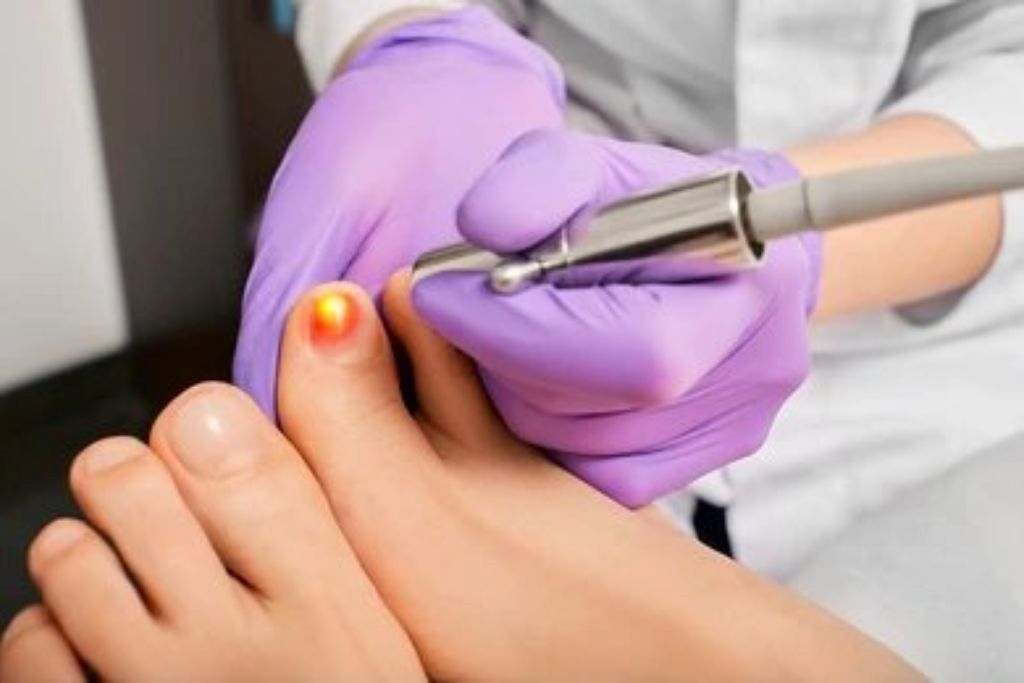
Fungal nail infections, medically known as onychomycosis, are very common and difficult to treat without professional help. This condition occurs when fungi invade the surface of the toenail. Over time, the nail becomes thick, brittle, discolored, and misshapen. The nail may turn yellow, brown, or even black. In some cases, the nail separates from the nail bed beneath it, a condition called onycholysis.
Fungal nail infections do not go away on their own. In fact, they tend to worsen over time and can spread to other nails if left untreated. They can also spread to your feet, causing athlete’s foot.
At Gulf Coast Podiatry, we treat onychomycosis with a personalized approach. After confirming the fungal infection through lab testing, we may recommend topical prescription antifungal nail lacquers that you apply directly to the nail, oral antifungal medications like terbinafine or itraconazole, laser therapy for nails that do not respond to medication, or debridement, which means carefully trimming and thinning the affected nail to improve how well medications work.
Full nail clearance can take several months, but with our guidance and proper treatment, most patients see significant improvement.
Tip: Wear moisture-wicking socks and rotate your shoes so they can dry out thoroughly between uses. This reduces the chance of fungal reinfection.

Plantar Warts (Verruca Plantaris)
Plantar warts are small growths that appear on the bottom of your feet, especially on the heel or the ball of the foot. The human papillomavirus, or HPV, causes them. This virus enters the body through tiny cuts or breaks in the skin on the bottom of the foot.
Plantar warts can appear as small, rough, thickened patches of skin with tiny black dots in the center. Those black dots are actually small blood vessels that feed the wart. Because they are on the bottom of your foot, the pressure from walking pushes them inward, which can make them quite painful. It can feel like you are standing on a small pebble.
Some plantar warts go away on their own over time, but many do not, and they can grow larger or spread to other parts of the foot. Professional treatment is often the fastest and most effective option. At Gulf Coast Podiatry, we offer several treatment options, including cryotherapy (freezing the wart with liquid nitrogen), salicylic acid treatments to gradually dissolve the wart tissue, minor surgical excision to remove the wart entirely, and laser therapy for warts that are resistant to other treatments. We choose the right approach based on the wart’s size, location, and how long you have had it.
Tip: Never cut or pick at a plantar wart yourself. This can cause the virus to spread to new areas of skin.
Dermatitis
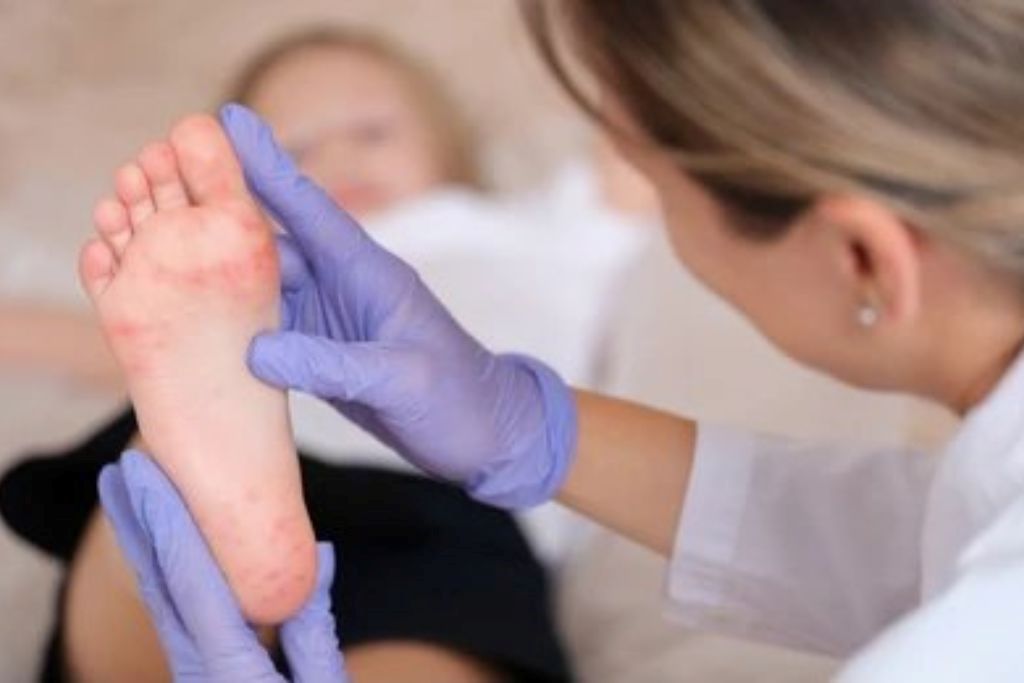
Dermatitis is a general term for skin inflammation. On the feet, it often shows up as red, itchy, swollen, or blistered skin. There are two main types we commonly treat. The first is contact dermatitis, which occurs when your skin reacts to something it comes into contact with, such as the dye in your shoes, the rubber in sandals, or certain soaps. The second is atopic dermatitis, also known as eczema, a chronic condition in which the skin becomes dry, inflamed, and itchy due to an overactive immune response.
Foot dermatitis can look very similar to an athlete’s foot, which is why a proper diagnosis is so important. Getting the wrong treatment will not help and can sometimes make things worse. Our podiatrist office near you carefully evaluates your skin and, when needed, uses patch testing to identify what is triggering your reaction.
Treatment for foot dermatitis at Gulf Coast Podiatry may include topical corticosteroid creams to reduce inflammation and itching, identifying and eliminating contact allergens such as shoe materials or detergents, moisturizing therapy with thick emollients to restore the skin barrier, antihistamines to reduce allergic reactions and, in more severe cases, prescription immunosuppressant medications. We also help you make lifestyle changes, like choosing shoes made of breathable, hypoallergenic materials, to prevent flare-ups.
Tip: If your feet itch or break out after wearing a new pair of shoes, the material may be the culprit. Bring your shoes to your appointment so we can evaluate them.
Psoriasis of the Feet
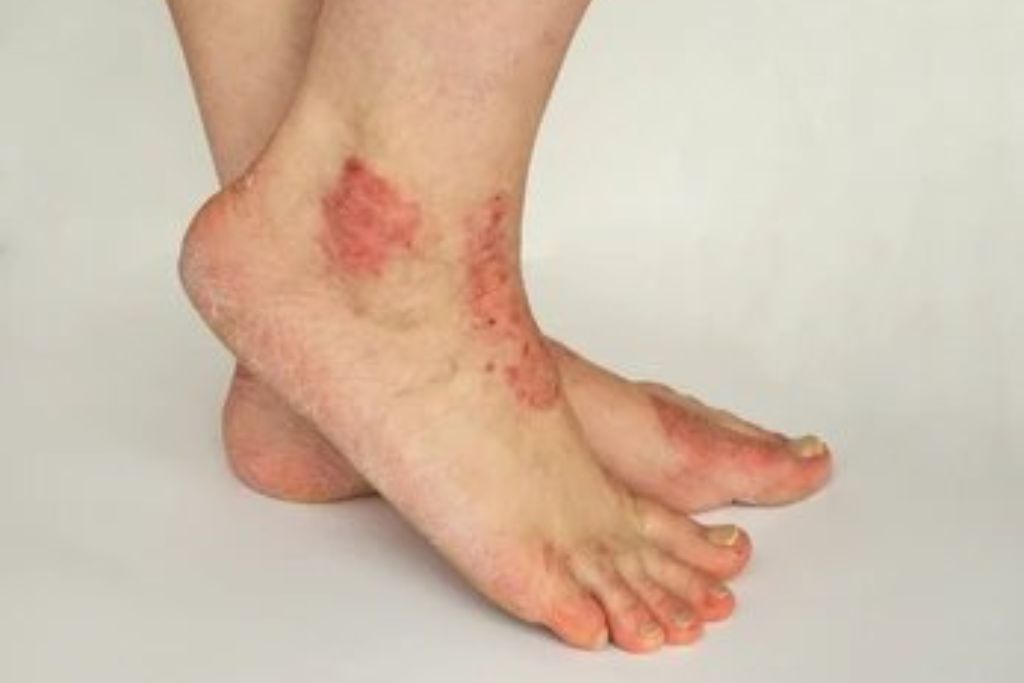
Psoriasis is an autoimmune skin condition. This means it happens because the immune system sends the wrong signals, causing skin cells to grow too fast. Normally, skin cells grow and shed over about a month. In psoriasis, this happens in just a few days. The extra cells accumulate, forming thick, silvery scales and red patches on the skin.
When psoriasis affects the feet, it can appear on the soles, heels, and around the nails. Palmoplantar psoriasis, which affects the palms and soles, can be especially painful because of the pressure these areas experience when you walk. The plaques (thick, scaly patches) can crack and bleed. Psoriatic nails may also develop pitting (tiny dents), discoloration, and separation from the nail bed.
Foot psoriasis requires special care because the treatment must work on thick, pressure-bearing skin. At Gulf Coast Podiatry, we work in coordination with dermatologists when needed to offer a comprehensive plan that may include potent topical corticosteroids, coal tar preparations to slow skin cell growth, salicylic acid to soften and remove thick plaques, phototherapy using ultraviolet light to reduce skin cell turnover, and referral for systemic biologics or other medications in severe cases. Our goal is to help you manage flare-ups and keep your feet as comfortable as possible.
Tip: Stress and certain foods can trigger psoriasis flare-ups. Keeping a symptom diary can help you identify your personal triggers.
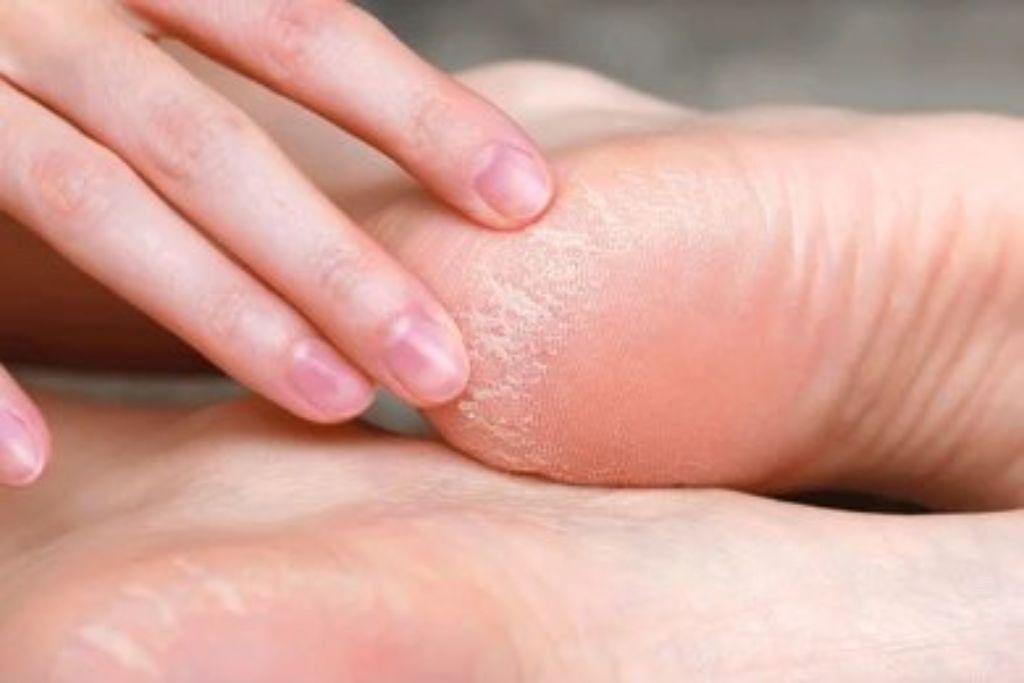
Heel Fissures (Cracked Heels)
Heel fissures are deep cracks in the skin of the heels. They occur when skin becomes dry, thick, and is under pressure from standing or walking. Symptoms include pain, bleeding, and difficulty walking.
Treatment includes:
- Softening the skin with moisturizers
- Using protective padding or heel cups
- Professional removal of thickened skin by a podiatrist
Preventing heel fissures involves keeping skin moisturized and wearing supportive footwear.
How to Prevent Foot Skin Conditions
Preventing foot skin problems is often easier than treating them. Some simple steps include:
Wash your feet daily with mild soap and dry them thoroughly.
Wear clean, dry socks and change them daily.
Wear shoes that fit well and let your feet breathe.
Avoid walking barefoot in public areas, such as pools or gyms.
Moisturize your heels and feet regularly to prevent cracks.
Keep nails trimmed and clean.
See a podiatrist if you notice any changes, especially if you have diabetes or immune issues.
Why Select Gulf Coast Podiatry
Choosing the right podiatry office can make a big difference in your foot health. Here’s why patients trust Gulf Coast Podiatry:
Our podiatrist in Pensacola, FL, has years of experience treating all types of foot skin conditions.
We use the latest medical techniques, including laser therapy, oral medications, and in-office procedures.
Each patient receives a treatment plan tailored to their condition and lifestyle.
We teach you how to prevent problems and care for your feet at home.
Our office is welcoming, clean, and designed to make your visit as easy as possible.
We focus on effective treatments that quickly reduce pain and discomfort.
Your feet deserve expert care, and we are here to provide it.
Call Gulf Coast Podiatry for Foot Skin Condition Treatments!
Don’t wait for foot problems to get worse! Call us at (850) 434-9867 to schedule your appointment today at Gulf Coast Podiatry for professional foot skin condition treatment near you and take the first step toward healthier, happier feet.
FAQ
Can foot skin conditions go away on their own?
Some mild issues may improve with home care, but most infections or chronic conditions require professional treatment to prevent them from worsening.
How long does it take to treat fungal nails?
Treating fungal nails takes time. Toenails grow very slowly, so it can take several months to see clear improvement. It’s important to be patient and carefully follow our podiatrist’s instructions to get the optimal results.
Are plantar warts contagious?
Yes, plantar warts are caused by a virus and can spread to other people or other parts of your foot. Avoid walking barefoot in public areas and seek treatment early.
Can diabetes affect foot skin conditions?
Yes. Diabetes can make it harder for your feet to heal and can reduce blood flow, which makes infections more serious. That is why regular foot care and podiatric checkups are very important for people with diabetes.
How can I prevent athlete's foot?
Keep your feet dry, change socks daily, wear breathable shoes, and avoid walking barefoot in shared areas like gyms or pools. We offer early professional foot skin condition treatment near you to prevent the infection from spreading.
What should I do if my heels crack?
Moisturize daily, avoid walking barefoot on hard surfaces, and see a podiatrist if the cracks are deep or painful. Professional care helps prevent infection and supports healing.