
Heel Pain Treatment in Pensacola, FL
Heel Pain Treatment Near You
Heel pain can make simple things hard. Walking to the kitchen. Standing at work. Playing with your kids. Even getting out of bed in the morning. At Gulf Coast Podiatry, we offer heel pain treatment in Pensacola, FL, to help you walk comfortably again. We focus on finding the real cause of your pain and giving you care that works.
If you are searching for reliable heel pain treatment near you, our team is ready to help. Getting the right care early can make a big difference in your recovery.
What Is Heel Pain?
Your heel bone is called the calcaneus. It supports your body weight when you stand and walk. Many muscles, tendons, and ligaments attach to this bone. When one of these tissues becomes irritated or inflamed, heel pain can start.
Heel pain may feel sharp, dull, aching, or burning. It may also feel stiff in the morning or worse after standing for long hours.
Some people feel pain in the heel. Others feel pain at the back of the heel near the Achilles tendon.
No matter where it hurts, heel pain should not be ignored. Early treatment helps prevent long-term problems.
Causes of Heel Pain
Heel pain does not just happen for no reason. There is almost always a cause behind it. Sometimes it starts slowly and builds over time. Other times it comes on suddenly. Here are some of the most common reasons people develop heel pain:
Plantar fasciitis
This is the number one cause of heel pain. The plantar fascia is a thick band of tissue that runs along the bottom of your foot from your heel to your toes. When this band gets irritated or inflamed, it causes sharp pain — especially that stabbing pain with your very first steps in the morning.
Heel spurs
A heel spur is a small bony growth that forms on the bottom of the heel bone (calcaneus). Many people develop heel spurs alongside plantar fasciitis. The spur itself may not always cause pain, but the inflammation around it often does.
Achilles tendinitis
Bursitis
Small fluid-filled sacs called bursae help cushion your heel. When they become irritated or inflamed, usually from repeated pressure or awkward footwear, they can lead to swelling and tenderness.
Stress fractures
Small cracks in the heel bone can happen from overuse, sudden impact, or conditions like osteoporosis. Athletes and people who are on their feet all day are especially at risk.
Tarsal tunnel syndrome
A pinched nerve in your foot can send burning or shooting pain into your heel and arch. This condition is similar to carpal tunnel syndrome in the wrist, just in your ankle.
Poor footwear choices
Flat shoes, worn-out sneakers, or high heels without proper arch support put extra stress on your heels. This is one of the most overlooked but easily fixable causes of heel pain.
Obesity or sudden weight gain
Extra body weight puts more pressure on the heel with each step. Over time, this added load leads to inflammation and pain.
Tight calf muscles
When the calf muscles are tight, they pull on the Achilles tendon and increase tension throughout the bottom of the foot. Stretching often helps, but the underlying tightness needs to be addressed.
If you are looking for heel pain treatment in Pensacola, FL, our team is committed to providing care that targets the source of your pain rather than just the symptoms.
Symptoms of Heel Pain
Heel pain can feel different depending on the cause. Some people feel a dull ache, others feel a sharp stabbing sensation. Here are the most common symptoms our patients describe:
Sharp, stabbing pain at the bottom of the heel — especially with the first steps in the morning or after sitting for a long time
Tenderness when you press on the heel bone or the arch area
Swelling, redness, or warmth around the heel
Pain at the back of the heel, which is a sign of Achilles tendon problems
Stiffness or tightness in the foot that makes walking difficult
Pain that gets better after walking for a few minutes but returns after long periods of activity
A burning or tingling sensation in the heel, which may point to a nerve issue
A noticeable bump at the back of the heel (often called Haglund’s deformity)
If you notice any of these signs — especially if they have been going on for more than a week — it is time to see a podiatrist. Ignoring heel pain often makes it worse and can turn a short-term problem into a long-term one. Early care leads to faster healing and better results. If you are searching podiatrist near you, getting professional help now can prevent more serious foot problems later.
Non-Surgical Treatments for Heel Pain
Most heel pain can be treated without surgery. At Gulf Coast Podiatry, we always start with conservative care.
Rest and Activity Changes
Reducing activities that strain the heel allows the tissue to heal.
Stretching Exercises
We teach simple stretching exercises for the plantar fascia and Achilles tendon.
Custom Orthotics
These are medical shoe inserts made to fit your foot. They support the arch and reduce strain.
Supportive Footwear
We guide you in choosing proper shoes with good arch support.
Anti-Inflammatory Medication
These medications help reduce swelling and pain.
Ice Therapy
Applying ice helps reduce inflammation.
Physical Therapy
Strengthening exercises improve foot stability.
Advanced Treatment Options
If basic treatment does not provide relief, we offer advanced care options. Our podiatrist will explain all options clearly before starting treatment.
One small daily habit can prevent a big problem later. Prevention is always easier than treatment.
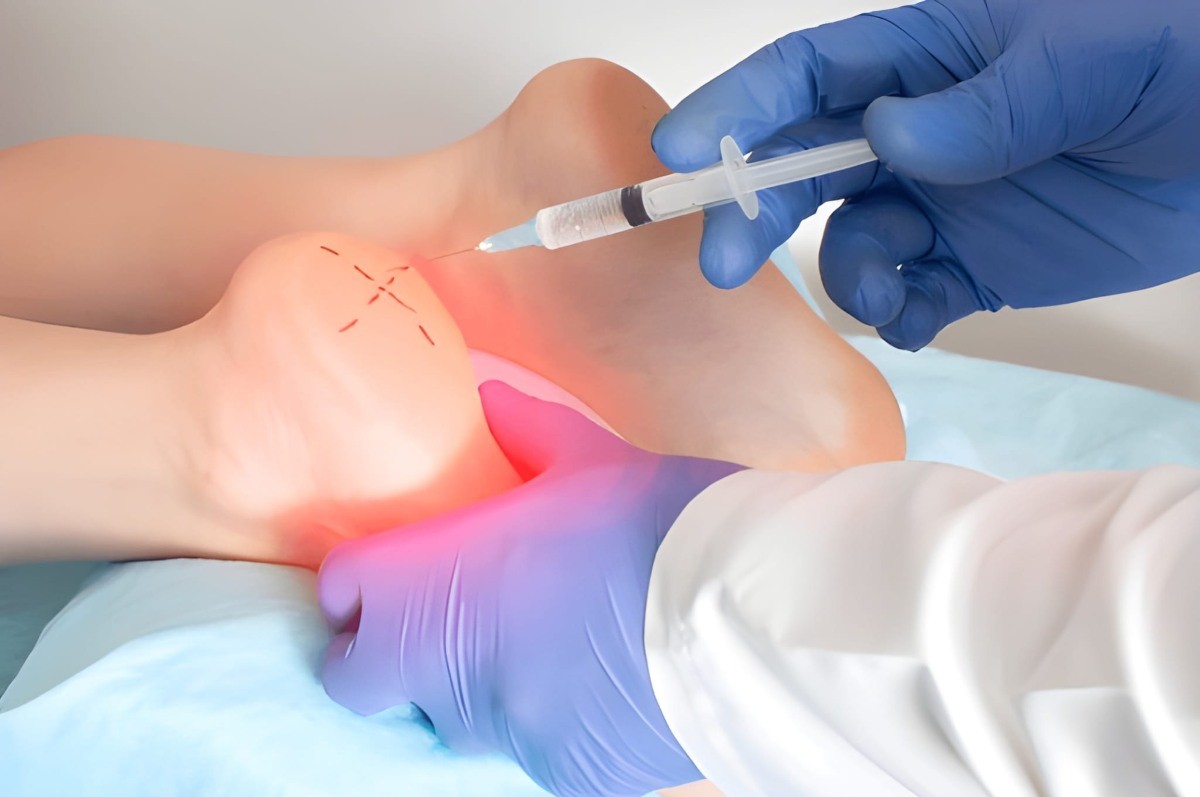
Corticosteroid Injections
These injections reduce inflammation in severe cases.
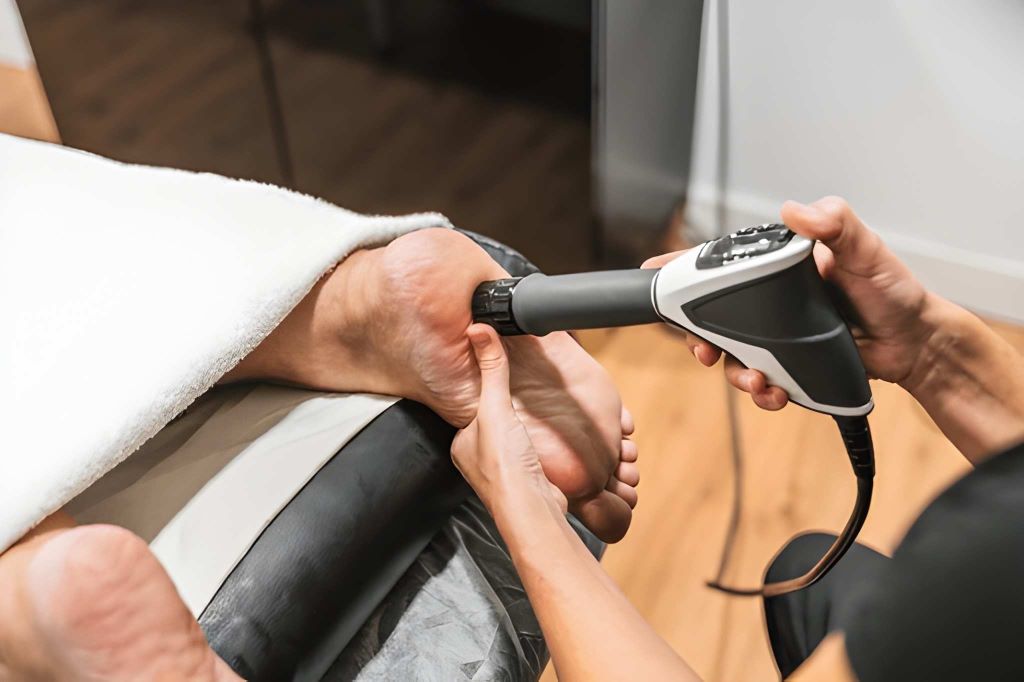
Shockwave Therapy
This treatment uses sound waves to stimulate the healing of damaged tissue.
Platelet-Rich Plasma (PRP) Therapy
PRP uses your own blood to promote tissue repair.
Immobilization
A walking boot may be used to allow healing.
Minimally Invasive Procedures
For chronic cases, minor procedures may release tight tissue.
Heel Pain Treatment Options
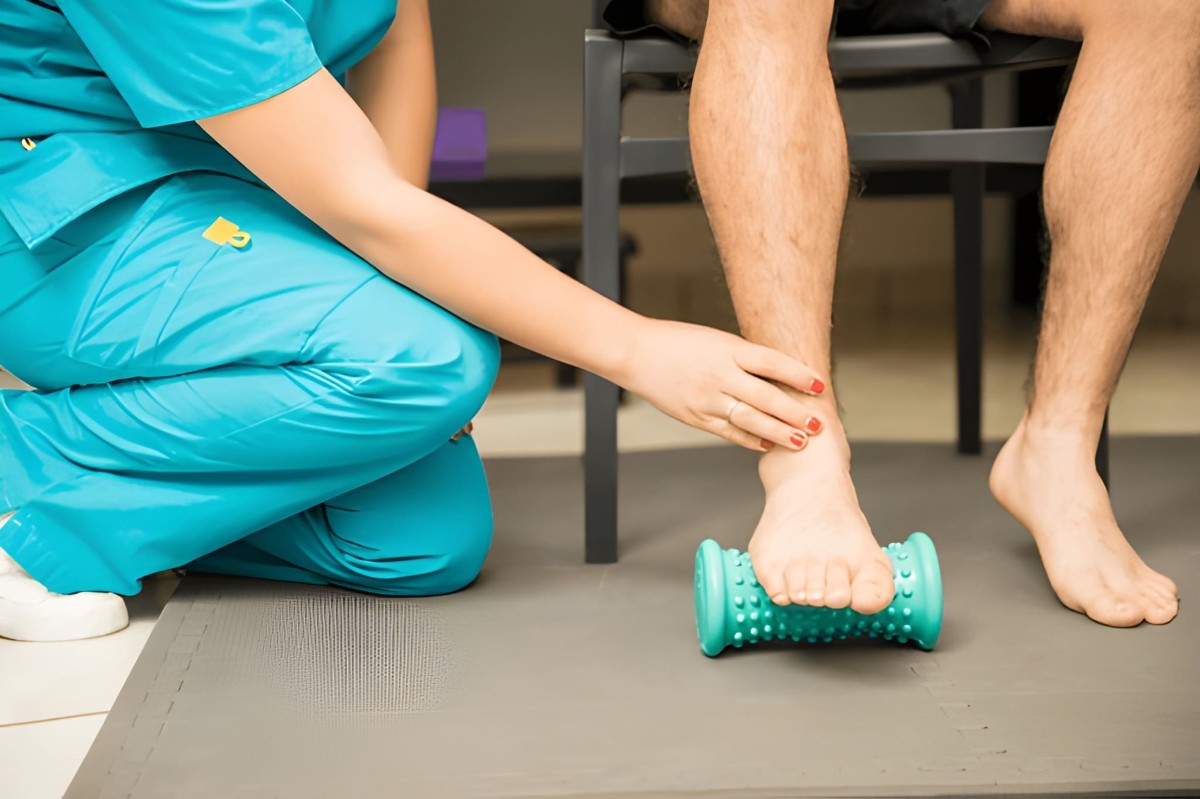
Plantar Fasciitis Treatment
Plantar fasciitis is the leading cause of heel pain. It causes stabbing pain under the heel, especially in the morning. The plantar fascia becomes inflamed due to strain or overuse.
At Gulf Coast Podiatry, we begin with a detailed foot exam. We check your foot shape, walking pattern, and pressure points.
Treatment may include:
- Stretching exercises
- Custom orthotics
- Night splints
- Anti-inflammatory medication
- Shockwave therapy, if needed
We also educate you on daily habits. For example, many patients feel better when they avoid walking barefoot on hard floors.
With proper treatment, most patients improve without surgery.
Heel Spurs Treatment
Heel spurs are small bony growths on the heel bone. Many people have heel spurs without pain. Pain usually occurs when the surrounding tissue becomes inflamed.
We use imaging tests, such as X-rays, to confirm the diagnosis.
Treatment focuses on reducing inflammation:
- Orthotic devices
- Stretching
- Anti-inflammatory care
- Corticosteroid injections, if needed

Achilles Tendon Pain Treatment
The Achilles tendon is strong but can become inflamed due to overuse. Pain is usually felt at the back of the heel.
Common symptoms include:
- Swelling
- Stiffness in the morning
- Pain during walking or climbing stairs
- Physical therapy
- Heel lifts
- Custom orthotics
- Activity modification
- Anti-inflammatory treatment
In chronic cases, advanced therapies like PRP or shockwave therapy may be recommended.
Early treatment helps prevent tendon rupture.
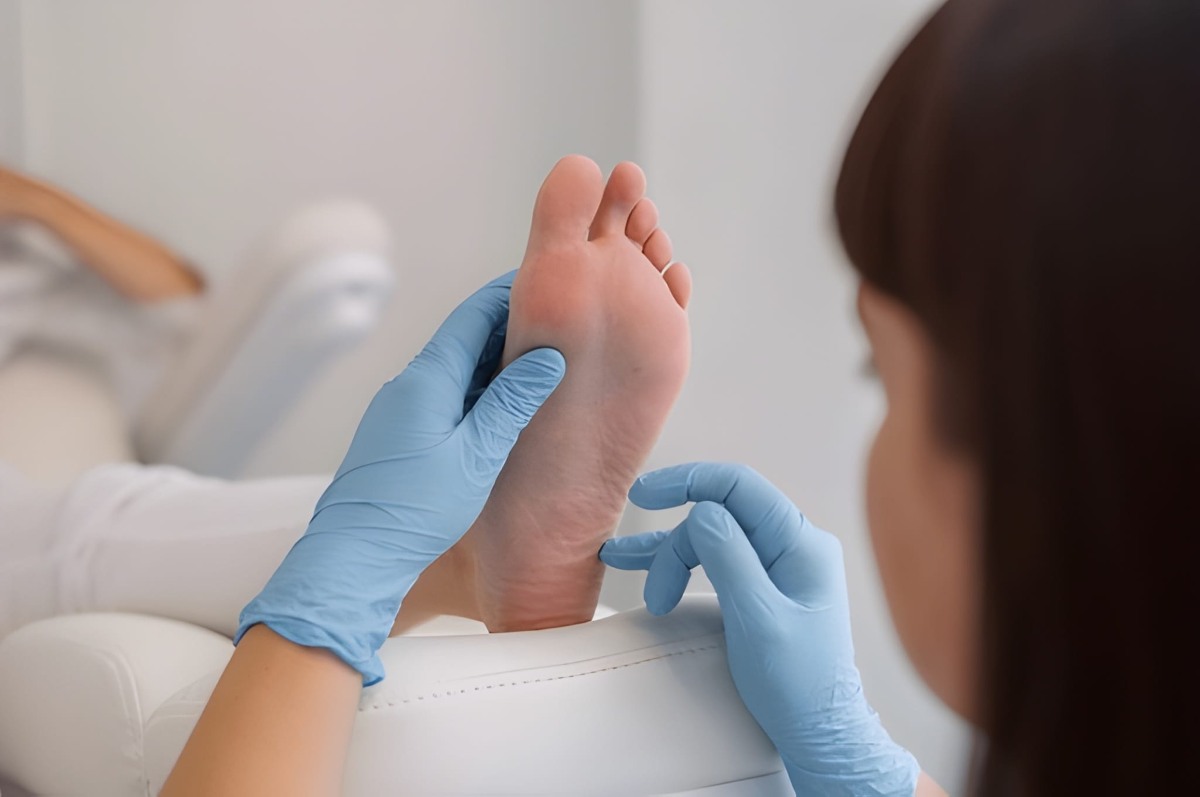
Chronic Heel Inflammation Treatment
Sometimes heel pain becomes long-term. This is called chronic inflammation. It may happen if the condition is ignored.
Chronic inflammation causes:
- Ongoing swelling
- Persistent pain
- Thickened tissue
- Limited mobility
- Imaging tests
- Custom orthotics
- Advanced regenerative treatments
- Long-term physical therapy
- Minimally invasive procedures, if required
Why Select Us for Heel Pain Treatment?
Choosing the right podiatrist is important when your heel hurts. You want someone who listens, explains clearly, and knows how to address the problem effectively. At Gulf Coast Podiatry, we care about getting you real relief.
Our podiatrist in Pensacola, FL, treats heel pain every day. We understand both simple and complex foot conditions. We perform detailed exams and use imaging when needed to find the exact cause of your pain.
We do not believe in one treatment for everyone. Your care plan is made just for you. We also take time to explain everything in simple words. Our goal is long-term relief, not a quick temporary fix.
Take the First Step Toward Pain-Free Walking
Stop letting heel pain hold you back. Call Gulf Coast Podiatry today at (850) 434-9867 to schedule your appointment and get a complete evaluation. If you are looking for heel pain treatment in Pensacola, FL, our experienced podiatry team is ready to help you find real relief. Let us help you walk comfortably and confidently again.
FAQ
Is heel pain serious?
It can become serious if ignored. Early treatment helps prevent long-term damage.
Do I need surgery for heel pain?
Most patients do not need surgery. Conservative treatment works in most cases.
Can heel pain go away on its own?
Sometimes, yes. If the pain is mild, resting your foot and wearing supportive shoes may help it settle down. But if the pain keeps coming back or does not improve, it is recommended to see a podiatrist near you. Ongoing heel pain can indicate inflammation or minor tissue damage that needs proper treatment before it worsens.
What shoes help heel pain?
Choose shoes with strong arch support and good cushioning. Soft soles and proper heel support can reduce pressure on the bottom of your foot and make walking more comfortable.
Are custom orthotics better than store inserts?
In most cases, yes. Custom orthotics are made to match your exact foot shape. They provide better support and help correct the way your foot moves.
When should I see a podiatrist?
If your heel pain lasts more than a few days, gets worse, or makes it hard to walk, it is time to schedule an appointment. Early care can prevent bigger problems later.