
Circulatory Disorder Treatment in Pensacola, FL
Circulatory Disorder Treatment Near You
Your feet do a lot of work every day. They carry you, support you, and keep you moving. But when the blood cannot flow properly through your legs and feet, things can go wrong fast. You may feel pain, notice swelling, or see changes in your skin that worry you. These are signs of a circulatory disorder, and they need proper care. At Gulf Coast Podiatry, we provide circulatory disorder treatment in Pensacola, FL, to help improve blood flow, reduce pain, and protect your feet from serious problems.
If you are searching for circulatory disorder treatment near you, our team is here to provide professional foot care. Early treatment can prevent complications and keep you walking safely and comfortably.
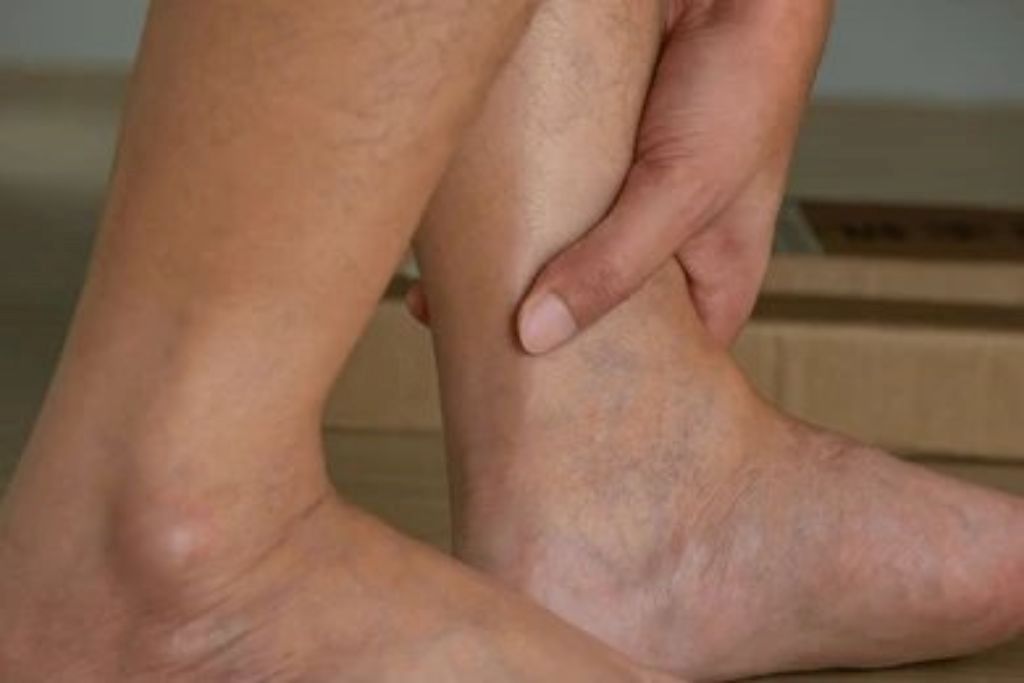
What Are Circulatory Disorders?
Your heart pumps blood through blood vessels. These vessels include arteries and veins.
Arteries carry oxygen-rich blood from the heart to the body.
Veins carry blood back to the heart.
When these vessels become narrow, weak, or blocked, blood flow becomes poor. This condition is called a circulatory disorder.
Poor circulation often affects the legs and feet first. That is why podiatrists play an important role in diagnosing and treating these conditions.
Symptoms of Circulatory Disorders
Circulatory problems can show different signs. Some symptoms are mild at first, but they can become worse over time.
Common symptoms include:
Cold feet or toes
Numbness or tingling
Swelling in the legs or ankles
Skin color changes (pale, blue, or dark red)
Slow-healing cuts or wounds
Cramping pain while walking
Weak or absent pulse in the feet
Thickened toenails
Hair loss on the legs
If you notice any of these symptoms, do not ignore them. It is better to get evaluated early. Seeking circulatory disorder treatment in Pensacola, FL, at the right time can help prevent serious complications and protect your foot health.
Risk Factors
Some people are more likely to develop circulatory disorders. These are called risk factors.
Common risk factors include:
Diabetes
High blood pressure
High cholesterol
Smoking
Obesity
Lack of exercise
Family history of vascular disease
Older age
If you have diabetes, you must be extra careful. Poor circulation, combined with diabetes, can increase the risk of foot ulcers and infections. At Gulf Coast Podiatry, we carefully review your medical history before starting treatment.
Circulatory Disorders Treatments Include
We provide treatment for several types of circulation problems affecting the feet and lower legs. Each treatment plan is based on your specific condition. If you are looking for circulatory disorder treatment near you, our team is here to provide personalized, professional care focused on improving your blood flow and protecting your foot health.
Arterial Insufficiency Treatment
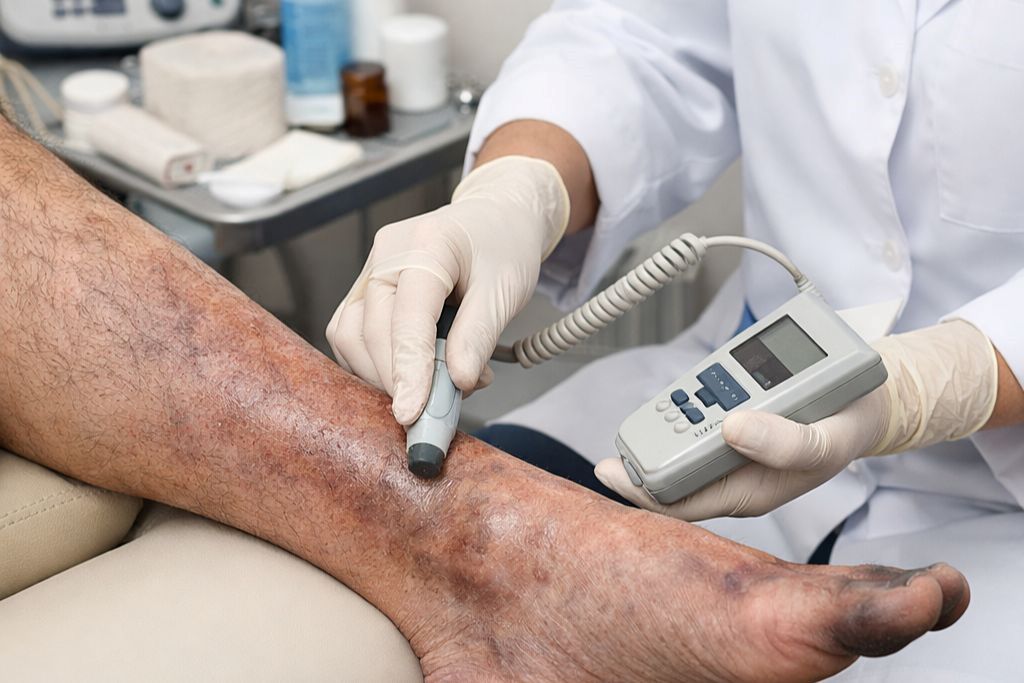
Arterial insufficiency happens when arteries become narrow or blocked. This condition is often linked to Peripheral Artery Disease (PAD). When arteries are blocked, less oxygen reaches your feet.
Patients with arterial insufficiency often feel:
- Cramping pain when walking (called claudication)
- Cold feet
- Shiny skin
- Slow-healing wounds
At Gulf Coast Podiatry, we begin with a complete vascular evaluation. We may check pulses in your feet and measure blood flow using simple, non-invasive tests.
Treatment may include:
- ramping pain when walking (called claudication)
- Cold feet
- Shiny skin
- Slow-healing wounds
We also teach you daily foot care habits. For example, checking your feet every night can help catch wounds early. Small changes can make a big difference in preventing serious problems.
Our goal is to restore circulation and prevent tissue damage.

Venous Insufficiency Treatment
Venous insufficiency occurs when veins cannot effectively push blood back to the heart. Blood collects in the legs, causing swelling and discomfort.
Common signs include:
- Swollen ankles
- Heavy feeling in the legs
- Skin darkening
- Itching
- Venous ulcers near the ankle
We start by examining your legs and checking for signs of venous disease. Treatment focuses on improving blood return.
Treatment options may include:
- Compression therapy (medical compression stockings)
- Leg elevation
- Exercise recommendations
- Skin care guidance
- Wound management for ulcers
Compression therapy works by gently helping the blood move back up toward your heart. When used correctly, many patients start to feel less swelling and discomfort within a few weeks.
Our podiatrist office near you also talks with you about simple daily habits. Sitting or standing for long periods can worsen circulation. Even small changes, like stretching your legs, taking short walks, or moving your ankles during the day, help improve blood flow.
Our goal is simple. We want to reduce swelling, protect your skin, and lower your risk of developing painful ulcers or open sores.
Varicose Vein Complications Treatment
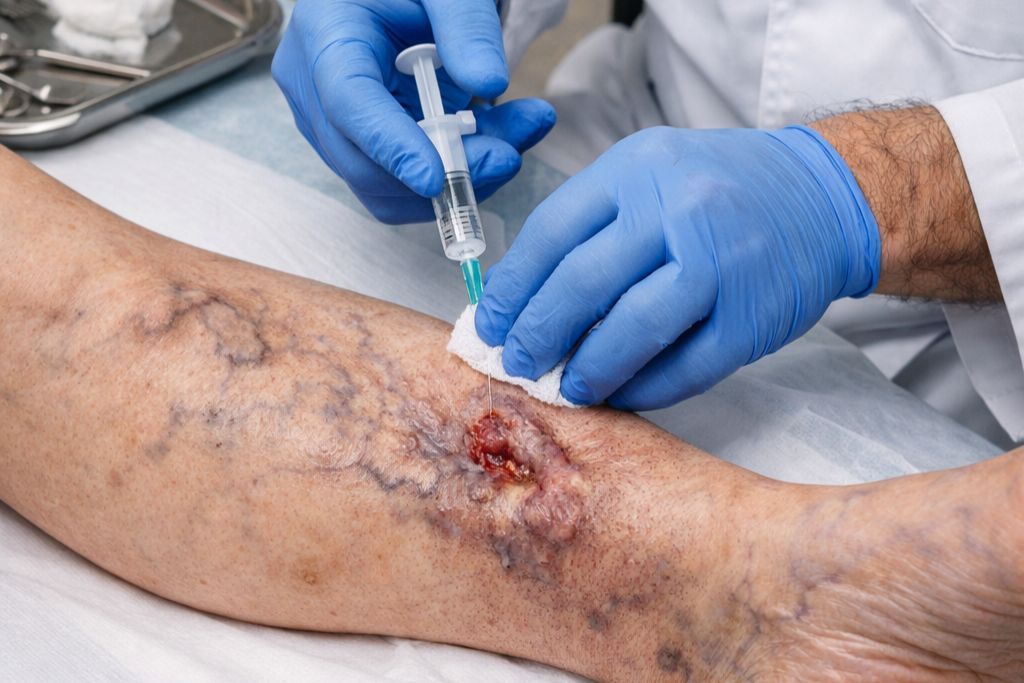
Varicose veins are enlarged, twisted veins that appear under the skin. While some people think they are only cosmetic, they can lead to serious problems if ignored.
Complications may include:
- Pain and burning
- Blood clots
- Skin discoloration
- Open sores
- Chronic swelling
At Gulf Coast Podiatry, we carefully examine the affected areas and check for skin breakdown or ulcer risk.
Treatment may involve:
- Medical compression therapy
- Anti-inflammatory care
- Skin protection strategies
- Monitoring for clot formation
- Referral for vein procedures when necessary
We focus on preventing complications. If varicose veins are causing skin damage, early treatment is very important.
Patients often feel better when swelling and pressure are controlled. Our team provides clear instructions to help manage symptoms at home.
Circulation-Related Pain Treatment
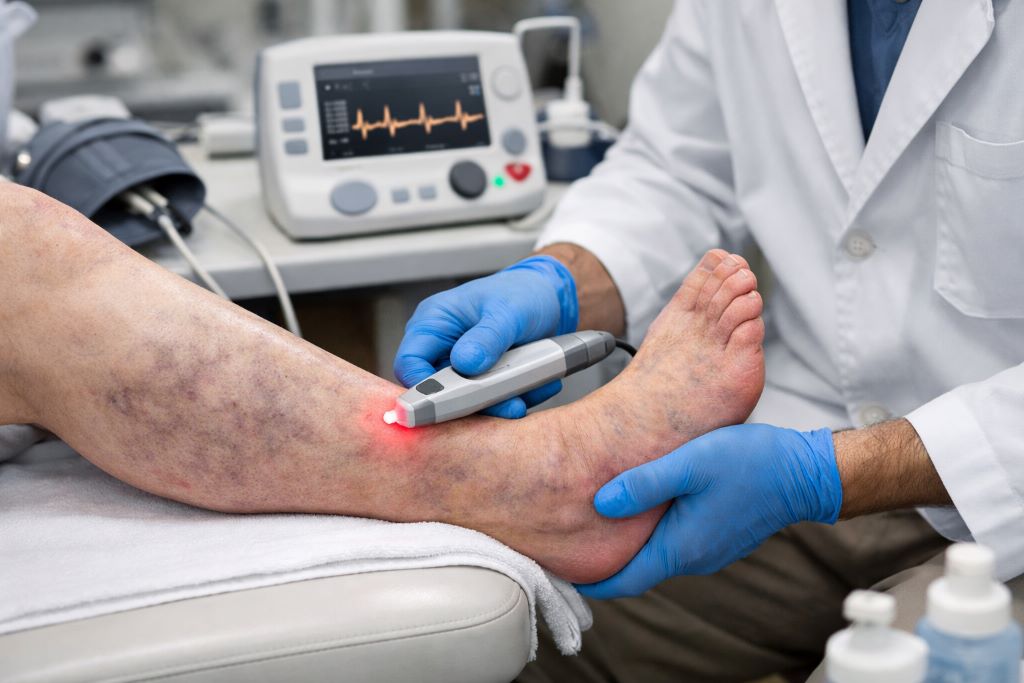
Pain caused by poor circulation can limit daily life. Some patients feel cramping, burning, or aching in their legs and feet.
This pain may happen:
- During walking
- At night
- When resting
We carefully evaluate the source of the pain. Not all foot pain is due to circulation, so a correct diagnosis is important.
Treatment may include:
- Improving blood flow
- Stretching exercises
- Medication management
- Supportive footwear
- Physical activity plans
Walking, when done safely, can help improve circulation over time. We guide patients on how much activity is safe for them.
If pain is severe, we coordinate care with other specialists. Our goal is to reduce pain and improve your quality of life.
Our Treatment Plan
At Gulf Coast Podiatry, we follow a clear and structured treatment plan.
Complete Evaluation
We review your symptoms, medical history, and lifestyle habits.
Diagnostic Testing
We may perform circulation tests to measure blood flow in your feet.
Customized Treatment
Your treatment plan may include medication, compression therapy, wound care, or referrals.
Ongoing Monitoring
We schedule follow-up visits to track improvement and prevent complications.
Patient Education
We teach you how to care for your feet at home. Daily foot checks are important, especially for diabetic patients.
Why Select Us for Circulatory Disorder Treatment?
Choosing the right podiatrist matters. Circulatory problems require careful monitoring and professional care. Here is why patients trust Gulf Coast Podiatry:
Experienced foot and ankle specialists
A focus on vascular-related foot conditions
Personalized treatment plans
Clear and simple explanations
Advanced diagnostic tools
Strong coordination with specialists
Compassionate patient care
We do not rush appointments. Our podiatrist in Pensacola, FL, listens carefully and answers your questions in simple terms.
Your comfort and safety are always our priority.
Strong Circulation. Healthier Steps. Better Living.
If you are experiencing cold feet, swelling, slow-healing wounds, or leg pain, do not wait. Circulatory disorders can worsen over time. Early treatment helps protect your mobility and prevent serious complications.
Healthy blood flow means healthy feet. Call Gulf Coast Podiatry today at (850) 434-9867 to schedule your circulation evaluation and learn more about our circulatory disorder treatment in Pensacola, FL. Let us help you walk with confidence again.
FAQ
Can diabetes cause circulatory disorders in the feet?
Yes, and this is actually very common. High blood sugar over many years damages the walls of blood vessels, reducing blood flow to the feet and legs. This is called diabetic peripheral vascular disease. It slows wound healing and increases the risk of serious foot complications. If you have diabetes, we recommend regular foot check-ups even if you do not have symptoms yet.
Are varicose veins dangerous, or just a cosmetic problem?
Varicose veins are not always dangerous, but they should not be ignored. Over time, they can lead to serious complications like blood clots in the surface veins, skin inflammation, bleeding, and even open wounds called venous ulcers. If your varicose veins are causing pain, heaviness, or skin changes, please come in for an evaluation. Early care can prevent bigger problems later.
What does arterial insufficiency feel like?
Arterial insufficiency usually causes leg pain or cramping when you walk, which improves with rest. This is called claudication. In more severe cases, you may feel pain even while sitting or lying down, and your toes or feet may look pale, bluish, or feel very cold. Some patients also notice that sores on the feet do not heal because the blood supply is too poor to deliver the nutrients needed for healing.
How do I know if I have a circulatory disorder in my feet?
The most common signs include cold feet, numbness, pain when walking, wounds that will not heal, swollen ankles, and visible varicose veins. If you have any of these, it is a good idea to see a podiatrist for an evaluation. We use non-invasive tests, such as the ankle-brachial index and Doppler ultrasound, to assess your blood flow and provide a clear answer. If you are searching for circulatory disorder treatment near you, our team can perform a detailed circulation exam and guide you on the next steps.
What is compression therapy, and does it really work?
Compression therapy involves wearing special medical-grade stockings or wraps that gently squeeze the leg. This helps push blood upward through the veins, reduces pooling and swelling, and relieves the heavy or aching feeling that comes with venous insufficiency. Yes, it really does work — and it is one of the most proven treatments we have for venous conditions. The key is to wear the right compression level for your specific condition, which is why a professional fitting and prescription matter.
Can circulatory disorders lead to amputation?
In severe cases, yes. When blood flow is critically reduced for a long time, tissues in the feet can begin to die. This is called gangrene, and in some situations, amputation is needed to prevent the spread of infection. However, this is a worst-case scenario that we work very hard to stop. Early diagnosis, proper wound care, and consistent treatment dramatically reduce the risk of reaching that point. Most patients who come to us early avoid severe complications.