Structural Deformity Treatment in Pensacola, FL
Structural Deformity Treatment Near You
At Gulf Coast Podiatry, we understand that your feet are the foundation of your body. When your feet are misaligned, it can cause pain, limit your movement, and affect your overall health. Structural deformities in the feet are conditions in which bones, muscles, or joints do not form or function the way they should. Left untreated, these issues can lead to pain, difficulty walking, and other long-term problems. That is why we offer structural deformity treatment in Pensacola, FL, helping patients restore proper foot alignment and improve overall mobility.
We use proven methods, both non-surgical and surgical, depending on your needs. If you’re looking for expert care close to home, we provide structural deformity treatment near you to ensure you get the help you need without delay.
Understanding Structural Deformities
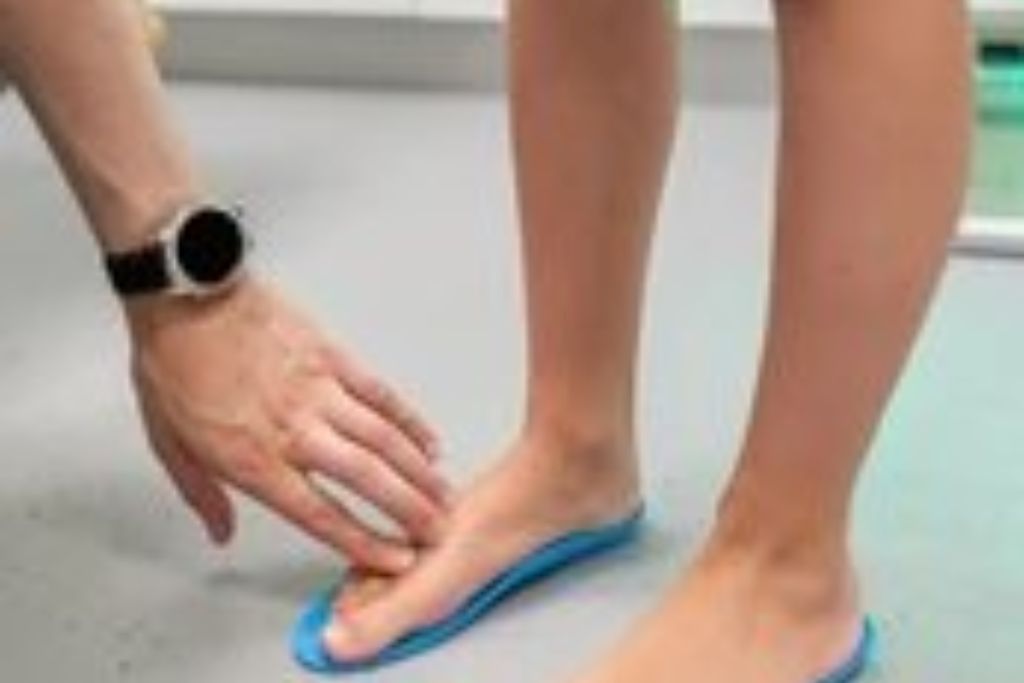
A structural deformity is a change in the shape or alignment of your foot. It can cause pain, limit movement, or lead to other problems if left untreated. Common deformities include bunions, hammertoes, flatfoot, neuromas, and arch disorders.
Structural issues can happen due to genetics, injuries, or wearing the wrong footwear. They might develop slowly over time or appear suddenly after trauma. The good news is that with proper care, most deformities can be successfully managed.
Early Signs of Structural Deformities
Recognizing problems early is key to preventing serious foot issues. Some early signs of structural deformities include:
Foot pain or soreness while walking or standing
Swelling around the toes or heels
Corns or calluses forming in unusual spots
Changes in the shape of the toes or arch
Difficulty wearing shoes comfortably
If you notice any of these signs, it’s important to see a podiatrist. Early intervention can prevent deformities from worsening and help you avoid surgery. Contact us today for structural deformity treatment near you and get professional care before minor problems become bigger issues.
How Structural Deformities Progress
If left untreated, structural deformities can worsen over time:
Minor discomfort can become severe pain.
Small toe misalignments can lead to big joint problems.
Flatfoot can cause knee, hip, or back issues.
Untreated bunions or hammertoes can make walking painful.
Nerve irritation from neuromas can worsen, leading to numbness or burning.
Understanding the progression helps us create a personalized plan to slow or stop the deformity from getting worse.
Conservative Care for Structural Deformities
Not all foot deformities need surgery. Many conditions respond well to conservative care, which may include:
Custom orthotics to support your feet
Stretching and strengthening exercises for toes and arches
Padding or taping to relieve pressure points
Anti-inflammatory medications or creams for pain and swelling
Proper footwear advice to reduce stress on your feet
These treatments can reduce pain, improve foot function, and prevent deformities from getting worse. Our podiatrists always start with conservative care before recommending surgery. If you’re looking for professional structural deformity treatment near you, our team is ready to help you get back on your feet safely and comfortably.
Surgical Correction
When conservative care is insufficient, surgical correction may be necessary. Surgery can:
Realign bones and joints
Remove painful growths, such as bunions or neuromas
Restore proper function to your toes and arches
Improve balance and walking
Our team uses the latest surgical techniques to ensure a safe procedure and faster recovery. We provide detailed pre- and post- surgery guidance so you can return to your daily life with healthy, pain-free feet.
Structural Deformity Treatments Include
Here’s a closer look at the main deformities we treat and how we help with structural deformity treatment in Pensacola, FL:
Bunions
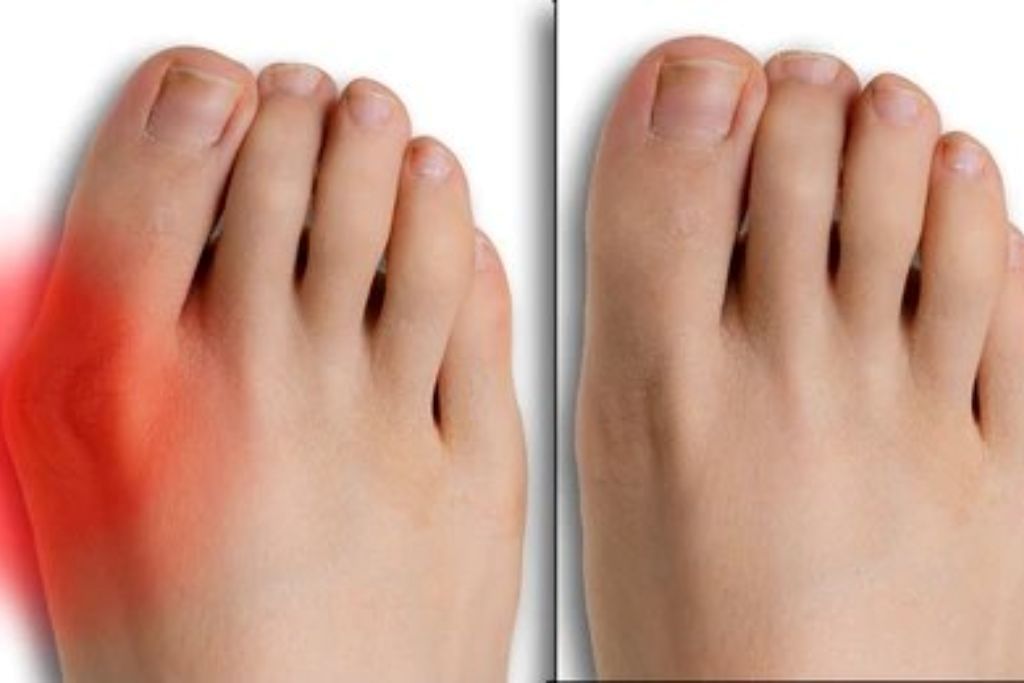
Bunions are bony bumps that form at the base of your big toe. They occur when your big toe pushes against the next toe, causing the joint to stick out. Bunions can be painful, make walking uncomfortable, and lead to arthritis if untreated.
At Gulf Coast Podiatry, we offer both non-surgical and surgical treatments for bunions. Non-surgical care may include shoe modifications, custom orthotics, padding, and exercises to reduce pressure. If surgery is needed, we perform procedures to realign the toe joint and restore normal foot function.
Hammertoes
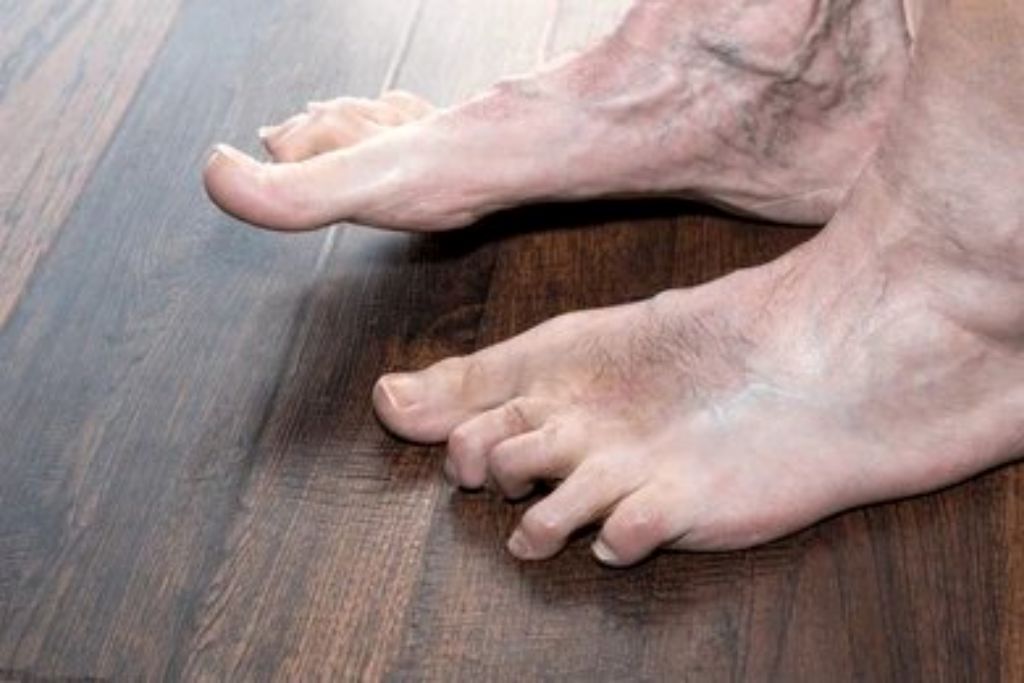
A hammertoe occurs when a toe bends abnormally at the middle joint. This can cause rubbing against shoes, corns and discomfort. It often affects the second, third, or fourth toes.
Treatment options:
- Non-surgical care: Toe splints, shoe adjustments, and exercises to stretch and strengthen the toe.
- Surgical correction: Tendon release or joint fusion to straighten the toe for better alignment and pain relief.
Early treatment can prevent a hammertoe from becoming rigid, making recovery faster and simpler. If you’re experiencing pain or noticing changes in your toes, it’s essential to consult a podiatrist near you to get timely care and guidance.
Flatfoot
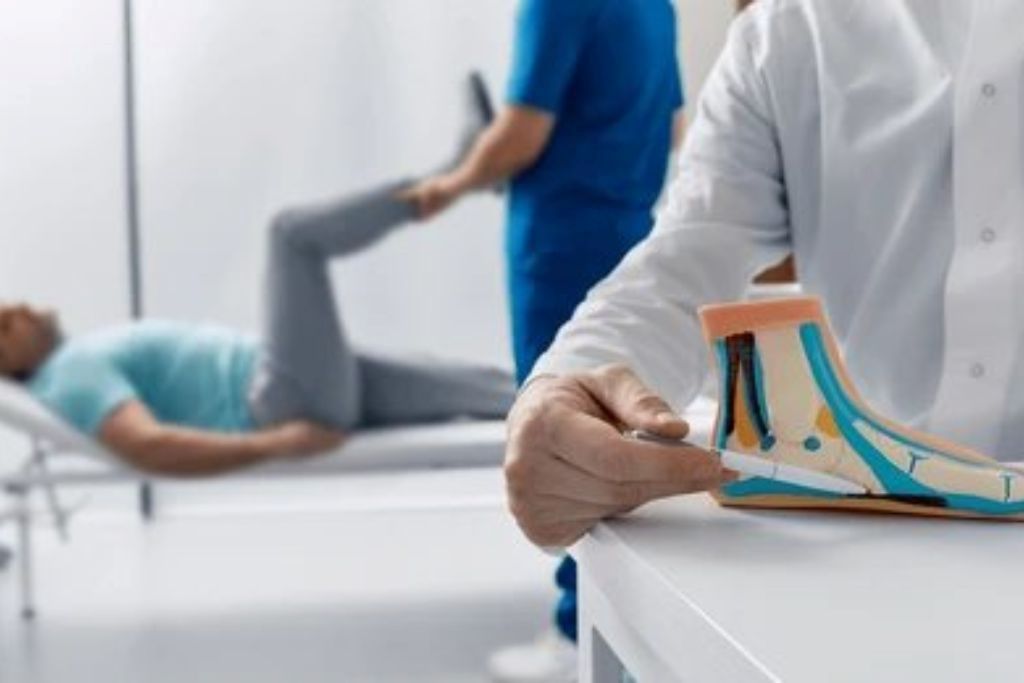
Flatfoot occurs when the arches of the feet collapse, causing the entire foot to touch the ground. Flatfoot can lead to pain in the feet, ankles, knees, or lower back. It can also make walking or running difficult.
We provide treatments such as custom orthotics, physical therapy, and supportive footwear to improve arch support and reduce pain. In severe cases, surgical reconstruction can restore the arch and correct alignment. Early treatment can prevent progression and long-term joint damage.
Neuromas
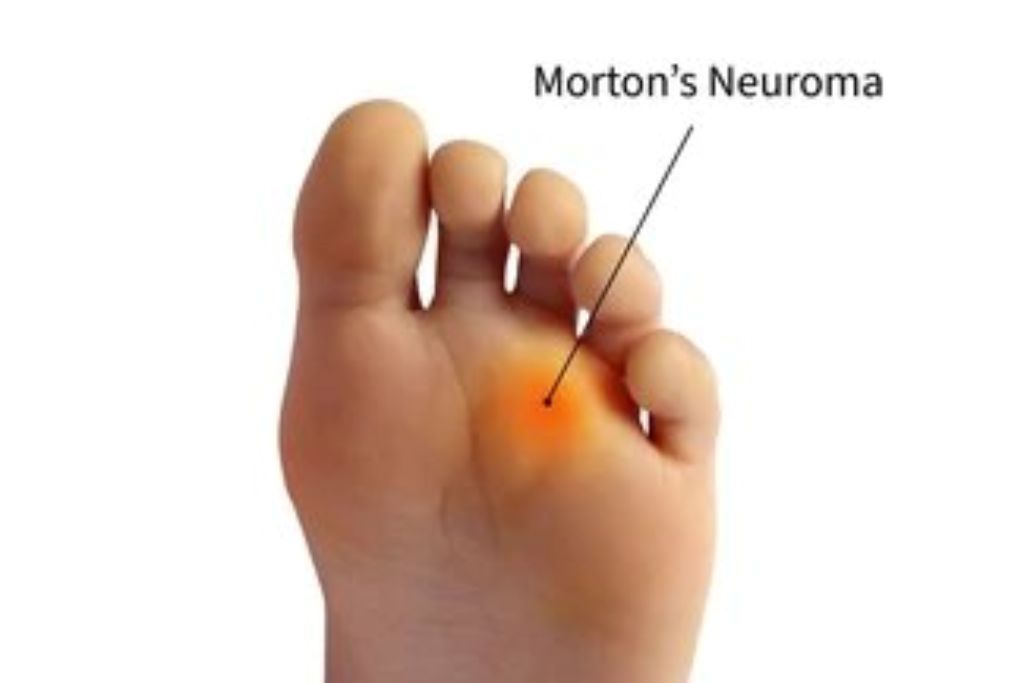
A neuroma is a thickening of tissue around a nerve, usually between the toes. It can cause sharp pain, burning, or tingling in the foot. Neuromas are often aggravated by tight shoes or repetitive activities.
Conservative care includes padding, shoe adjustments, orthotics, and anti-inflammatory treatment. If pain persists, surgical removal of the neuroma can relieve symptoms and restore comfort. Early diagnosis helps support a quicker recovery and reduces the risk of nerve damage.

Arch Disorders
Arch disorders involve problems with the shape or function of your foot arches. This can lead to overpronation (foot rolls inward), high arches, or fallen arches. Arch disorders can cause pain in the feet, ankles, and legs.
Treatment may include custom orthotics, exercises, or braces to support proper arch function. In severe cases, surgery can correct structural abnormalities, restore proper alignment, and improve mobility. Proper care helps prevent strain on other joints and reduces discomfort while walking or running.
Why Select Gulf Coast Podiatry
Choosing the right podiatrist is essential for effective treatment. Here’s why patients trust us:
Experienced Podiatrists
Our team of podiatrists in Pensacola, FL, has years of training in diagnosing and treating foot deformities.
Personalized Treatment Plans
We tailor every treatment to your unique foot structure and lifestyle.
Advanced Technology
We use modern imaging and surgical techniques for precise care.
Patient-Focused Care
Your comfort, understanding, and recovery are our top priorities.
Comprehensive Services
From bunions to neuromas, we treat a wide range of structural deformities.
Correct Foot Problems, Walk Comfortably Every Day
Don’t let foot deformities slow you down. Call us at (850) 434-9867 to schedule a consultation with Gulf Coast Podiatry today and get a personalized treatment plan. Your feet deserve optimal care. We provide expert structural deformity treatment in Pensacola, FL, to help you walk comfortably and regain full mobility.
FAQ
Does foot surgery hurt a lot?
We use special medicine to numb your foot so you don’t feel anything during the procedure. Afterward, we give you a plan to manage any soreness, and most patients are surprised at how quickly they feel better!
Can I buy inserts at the grocery store?
Store-bought inserts are “one size fits all.” Since your feet are unique (like your fingerprints), they might not hit the right spots. Our custom orthotics are made to fit your bones precisely.
Will my bunion come back after surgery?
If we fix the underlying bone structure and you follow our advice on good shoes, it is very unlikely to come back. We fix the root cause, not just the bump.
How long do I have to stay off my feet after treatment?
For conservative care, you don’t have to stop at all! For surgery, it depends on the type, but many patients can walk in a special “boot” the very same day.
Why do my feet hurt more in the morning?
When you sleep, your muscles tighten up. When you take that first step, you are stretching everything out quickly. We can give you stretches to do before you even get out of bed!
Do high heels cause these problems?
They don’t always “cause” them, but they definitely make them worse. Pointy shoes squeeze your toes together, which speeds up bunions and hammertoes.