
Diabetic Foot Care in Pensacola, FL
Diabetic Foot Care Near You
Taking care of your feet is very important when you have diabetes. At Gulf Coast Podiatry, we provide safe and complete diabetic foot care in Pensacola, FL. Our goal is simple. We want to protect your feet, prevent serious problems, and help you stay active.
Diabetes can change the way your feet feel and heal. Small problems can become serious if left untreated. That is why regular visits to a podiatrist are so important. If you are looking for diabetic foot care near you, our team is here to help. We carefully check your feet, treat any issues, and teach you how to care for them at home.
We use simple, clear steps and modern podiatry tools to keep your feet healthy. Whether you need a routine exam or treatment for a wound, we are here to help.

What Is Diabetic Foot Care?
Diabetic foot care is the medical care and daily attention given to the feet of people with diabetes. High blood sugar can damage nerves and reduce blood flow. This can cause numbness, slow healing, and a higher risk of infection. Because of this, even a small cut or blister can turn into a serious problem. Diabetic foot care near you includes regular foot exams, checking for neuropathy, treating wounds, managing infections, and monitoring circulation. It also involves daily home care, such as washing feet, trimming nails safely, and wearing proper shoes. Regular visits to a podiatrist help prevent ulcers, infections, and other serious foot complications.
How Diabetes Affects the Feet
Diabetes affects the body in many ways. One of the most common areas affected is the feet.
High blood sugar can damage nerves. This is called diabetic neuropathy. When nerves are damaged, you may not feel pain, heat, or cold in your feet. This means you might not notice a cut, blister, or sore.
Diabetes can also reduce blood flow. Poor circulation makes it harder for wounds to heal. Even a small cut can turn into an ulcer if not appropriately treated.
Over time, changes in feeling and blood flow increase the risk of infection. In severe cases, untreated infections can lead to serious complications.
This is why foot care is not optional for people with diabetes. It is necessary. Regular foot checks and early treatment can prevent major problems.
Warning Signs You Should Not Ignore
If you have diabetes, check your feet every day. If you notice any of the following signs, contact our office right away:
Numbness or tingling
Burning sensation in the feet
Cuts or sores that do not heal
Swelling in the foot or ankle
Redness or warmth
Thick or discolored toenails
Cracks in the skin
Drainage from a wound
Many patients say, “It did not hurt, so I thought it was fine.” With diabetes, pain is not always present. That is why even small changes matter.
Our Diabetic Foot Care Services

Diabetic Foot Exams
A diabetic foot exam is more than just looking at your feet. It is a full medical evaluation.
During the exam, our podiatrist in Pensacola, FL checks:
- Skin condition
- Nail health
- Blood circulation
- Nerve function
- Foot structure
We use special tools to test sensation. This helps us detect neuropathy early. We may gently touch different areas of your foot to see if you can feel pressure.
We also look for calluses, corns, and pressure points. These areas can break down and form ulcers if left untreated.
Routine exams help catch problems before they become serious. Many foot complications can be prevented with early care. We usually recommend a foot exam at least once a year, or more often if you have high-risk factors.

Neuropathy Management
Neuropathy is nerve damage caused by high blood sugar levels. It can cause numbness, tingling, burning pain, or weakness in the feet.
Some patients feel sharp pain at night. Others feel nothing at all. Both situations are risky.
At Gulf Coast Podiatry, we create a management plan based on your symptoms. Treatment may include:
- Medication to reduce nerve pain
- Vitamin support when needed
- Custom orthotics to reduce pressure
- Education on daily foot checks
We also monitor your condition over time. Neuropathy cannot always be reversed, but it can be managed. With proper care, we can reduce discomfort and lower the risk of injury.
We also guide you on safe footwear. Shoes that fit well can prevent rubbing and pressure that lead to wounds.

Ulcer Treatment
Ulcers can develop from:
- Poor circulation
- Pressure points
- Untreated blisters
- Calluses
Treatment depends on the severity of the wound. Our approach may include:
- Cleaning and debridement (removal of dead tissue)
- Special wound dressings
- Offloading devices to reduce pressure
- Antibiotics if infection is present
We check ulcers regularly to monitor healing. Fast treatment is very important. The earlier we treat an ulcer, the better the outcome.
We also work closely with your primary care doctor if needed to manage blood sugar levels during healing.
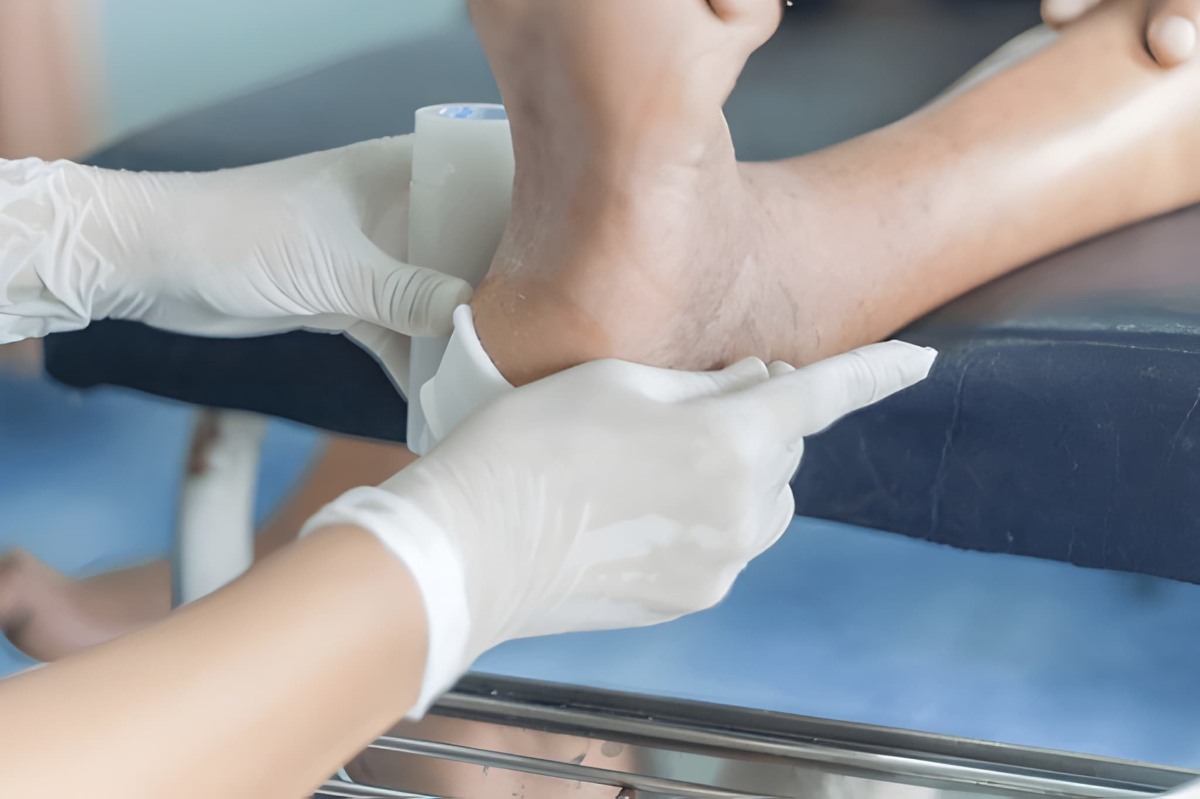
Wound Care
Even minor wounds need medical attention when you have diabetes.
At Gulf Coast Podiatry, we provide professional wound care using safe and sterile methods. We clean the wound properly and apply advanced dressings that promote healing.
We may use:
- Moist wound therapy
- Protective padding
- Offloading boots
- Compression therapy if circulation is reduced
Our podiatrist near you also educates patients on how to keep the wound clean at home. Following instructions carefully is essential.
Healing can take time. Regular visits allow us to track progress and make changes if needed.

Infection Prevention
Infections can spread quickly in people with diabetes. That is why prevention is key.
We focus on:
- Early detection of skin changes
- Proper nail trimming
- Callus care
- Treatment of fungal infections
If infection is present, we act quickly. Treatment may include oral or topical antibiotics. In some cases, imaging studies are used to check deeper tissues.
Our goal is to stop infection before it spreads. Quick action protects your overall health.
We also teach proper hygiene. Washing feet daily, drying between toes, and wearing clean socks can make a big difference.
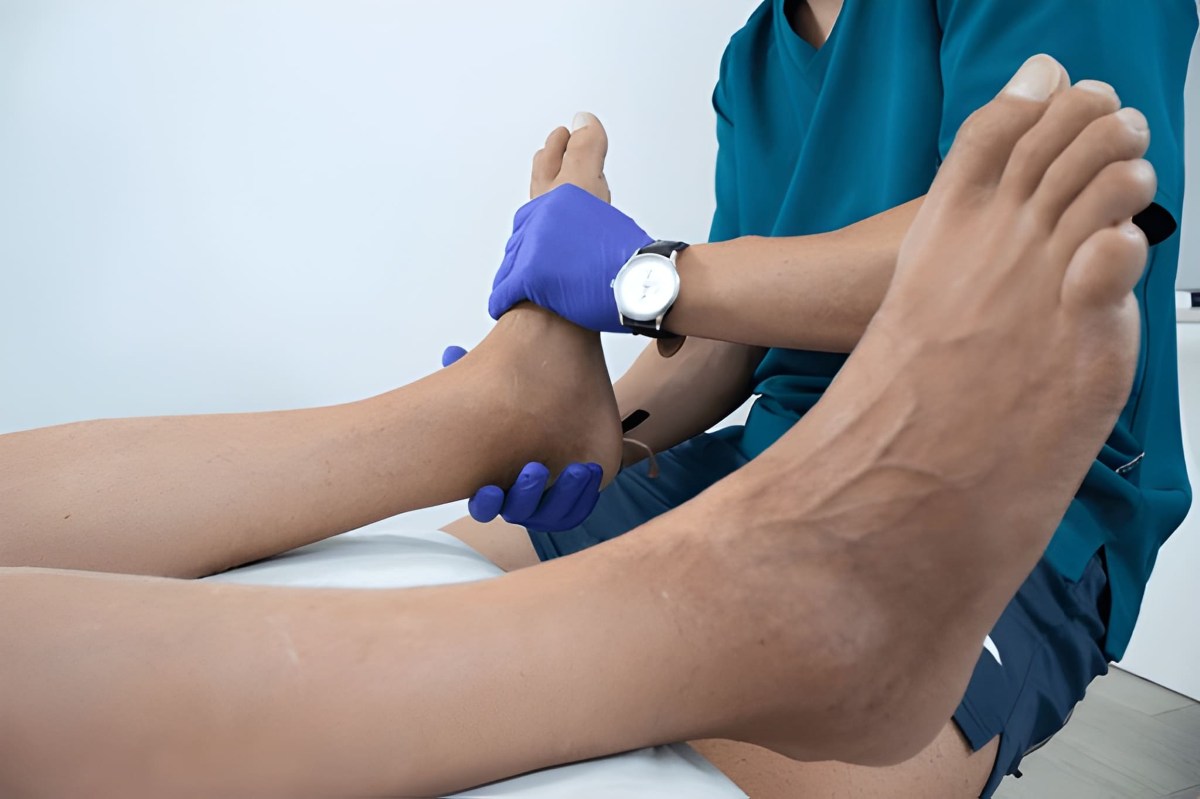
Circulation Monitoring
Healthy blood flow is necessary for healing. Diabetes can narrow blood vessels and reduce circulation.
We check circulation by:
- Feeling pulses in the feet
- Checking skin temperature
- Using non-invasive vascular testing
If we notice poor blood flow, we may refer you for further vascular evaluation.
Good circulation helps prevent ulcers and supports wound healing. Regularly monitoring blood flow allows us to detect problems early.
We also encourage gentle exercise, when approved by your doctor, to improve circulation.
Treatment Methods
At Gulf Coast Podiatry, treatment is based on your individual needs. No two patients are the same.
Our methods may include:
Medical management of neuropathy
Professional wound cleaning and debridement
Pressure relief devices
Custom orthotics
Prescription medications
Coordination with your diabetes care team
We focus on both treatment and prevention. Our approach is clear and structured. We explain every step so you understand your care plan.
Prevention Strategy
Preventing diabetic foot problems is possible with daily care and regular checkups.
Here are the simple steps we recommend:
Check your feet every day.
Wash and dry your feet carefully.
Trim nails straight across.
Wear properly fitted shoes.
Avoid walking barefoot.
Keep blood sugar under control.
Schedule regular podiatry visits.
One small daily habit can prevent a big problem later. Prevention is always easier than treatment.
Why Select Gulf Coast Podiatry for Diabetic Foot Care
We know you have choices when it comes to your foot care. Here is why many patients with diabetes choose Gulf Coast Podiatry year after year.
Experienced foot professionals
Modern diagnostic tools
Personalized treatment plans
Clear communication
A caring and respectful environment
We understand the challenges of living with diabetes. We take time to listen. We answer your questions. We work with you to protect your feet.
Our focus is long-term foot health. We want you to walk comfortably and stay active.
Your Feet Deserve Expert Care — Do Not Wait Until It Hurts.
Every day with untreated diabetic foot problems is a day closer to a serious complication. Our team at Gulf Coast Podiatry is ready to help you protect your feet, stay active, and live the life you deserve. If you are looking for trusted diabetic foot care in Pensacola, FL, we are here to provide careful treatment, ongoing monitoring, and personalized support to keep your feet healthy and safe.
Call us at (850) 434-9867 to schedule your diabetic foot exam at Gulf Coast Podiatry today. Early care can prevent serious complications.
FAQ
What is diabetic neuropathy?
Diabetic neuropathy is nerve damage caused by high blood sugar. It can cause numbness, tingling, or burning pain in the feet.
Why do diabetic wounds heal slowly?
Diabetes reduces blood flow and weakens the immune system. This makes it harder for the body to fight infection and heal wounds.
How often should a person with diabetes see a podiatrist?
Most patients should have a foot exam at least once a year. High-risk patients may need visits every 3 to 6 months. Regular appointments for diabetic foot care near you help catch problems early and prevent serious complications.They are usually not serious at first. But if they become thick or cracked, they can cause pain or infection.
Can diabetic foot problems be prevented?
Yes. Daily foot checks, proper shoes, blood sugar control, and regular podiatry visits greatly reduce risk.
Should I trim my own toenails if I have diabetes?
If you have thick nails or vision problems, it is safer to have a podiatrist trim them to prevent injury.
What type of shoes are best for diabetic patients?
Shoes that fit properly, have good support, and reduce pressure points are best. We can recommend diabetic footwear if needed.