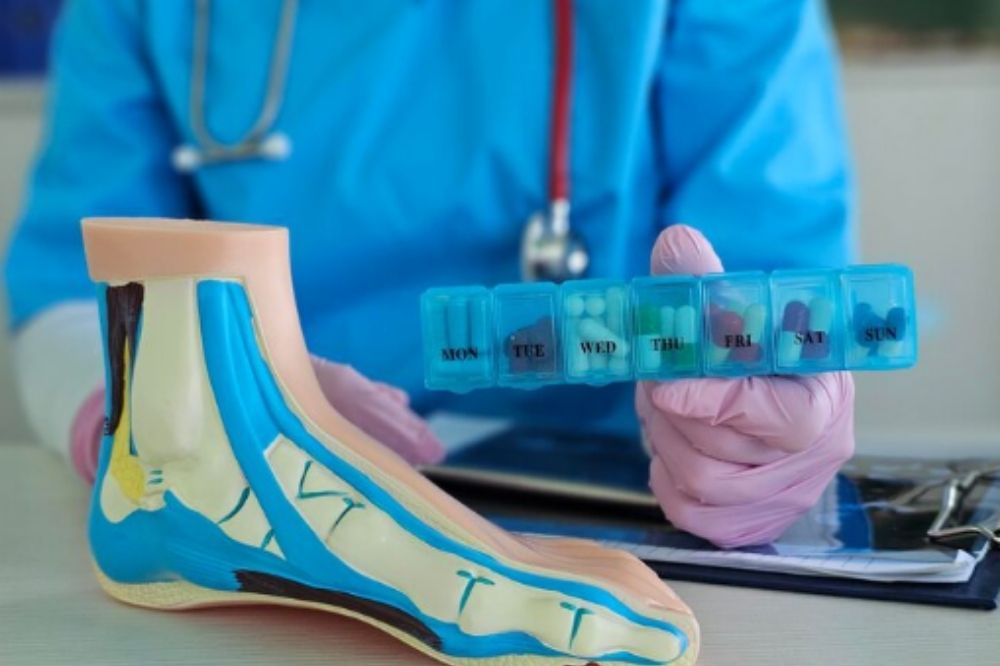

Are you trying to understand how diabetes can impact your foot health and what simple daily steps can help prevent serious problems? Many patients searching for a Podiatrist near Lakeview want clear and easy guidance on diabetic foot care. Diabetes can affect blood flow and slow down healing, which makes even small foot issues more serious if not managed early.
Learning simple care habits can help protect your feet, reduce risks, and prevent long-term complications.
Why Diabetic Foot Care Is Important
Patients with diabetes need to take special care of their feet because poor blood flow and nerve damage can make it hard to notice injuries, and wounds may heal slowly. Even small cuts or blisters can become serious if left untreated.
Many patients seeking Diabetic Foot Care in Pensacola are advised to follow a simple daily care routine to lower the risk of complications and support long-term foot health.
Good foot care helps to:
- Prevent infections before they start.
- Improve circulation in the feet.
- Reduce the risk of ulcers and open sores.
- Support faster and safer healing.
- Maintain healthy movement and mobility.
Daily Foot Care Habits
Simple daily habits can help keep your feet healthy.
Good habits include:
- Wash your feet gently every day.
- Dry your feet well, especially between the toes.
- Use moisturizer to stop dry skin.
- Check your feet for cuts or redness.
- Wear clean and comfortable socks.
Doing these things every day helps prevent foot problems.
Warning Signs You Should Not Ignore
Early detection is very important in diabetic foot care.
Signs of diabetic foot complications include:
- Swelling in feet or ankles
- Cuts or sores that heal slowly
- Numbness or tingling
- Skin color changes
- Pain or pressure in certain areas
If these signs appear, it is important to seek care quickly.
How a Podiatrist Helps with Diabetic Foot Care
A foot specialist plays an important role in managing diabetes-related foot issues.
Patients visiting Gulf Coast Podiatry often receive personalized care plans based on their condition and risk level.
A Podiatrist near you may help by:
- Checking circulation and nerve health
- Treating cuts, wounds, or infections
- Providing proper footwear advice
- Removing pressure points on the feet
- Preventing complications from worsening
Regular checkups help maintain long-term foot health.
Footwear Tips for Diabetic Patients
Good shoes help protect your feet from injury and pressure.
Helpful tips for footwear:
- Wear soft and comfortable shoes that fit well.
- Do not wear tight or narrow shoes.
- Use socks that reduce rubbing.
- Check inside your shoes before putting them on.
- Replace old or worn-out shoes on time.
Wearing the right shoes helps prevent foot injuries.
Preventing Diabetic Foot Problems
Prevention is the most important part of diabetic foot care.
Helpful steps include:
- Keep your blood sugar under control.
- Do not walk barefoot.
- Check your feet every day.
- Stay active to improve blood flow.
- Visit a foot doctor regularly.
Protecting Your Feet for the Long Term!
Looking for an easy way to keep your feet healthy and avoid long-term diabetes problems? Diabetic foot care helps protect your feet, prevent infections, and support overall foot health. With daily care, early attention to changes, and regular checkups, you can keep your feet strong and healthy. Book your appointment today with Gulf Coast Podiatry for expert diabetic foot care and personal treatment.
FAQs
What are the early signs of diabetic foot problems?
Early signs may include numbness, redness, swelling, tingling, or small wounds that heal more slowly than usual. These changes should not be ignored and should be checked as soon as possible.
How often should diabetic patients check their feet?
Feet should be checked daily for cuts, blisters, swelling, dryness, or any changes in skin colour to help detect problems early and prevent complications.
Can diabetic foot problems be prevented?
Yes, in many cases, foot problems can be reduced with good daily care, healthy habits, blood sugar control, and regular checkups.
Why is foot care important for diabetes?
Diabetes can reduce blood flow and feeling in the feet. This makes it harder to notice injuries and wounds may heal slowly, which can lead to infections if not treated early.